
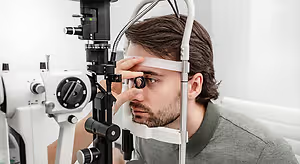
If you have not had an eye exam recently, you may wonder what happens after you sit down in the exam chair. Is the visit only about reading letters and updating your glasses, or does your eye doctor check more than your vision?
A comprehensive eye exam evaluates both how clearly you see and how healthy your eyes are. At Eyecare Associates of Idaho, your visit is tailored to your age, symptoms, medical history, and individual risk factors. Here is what to expect when you schedule an eye exam in Nampa (Community).
Your Exam Begins With a Conversation
Your eye doctor needs context before beginning the examination. You may be asked about:
- Changes in your vision
- Headaches, eye strain, dryness, or double vision
- Your current glasses or contact lenses
- Previous eye injuries or surgeries
- Medical conditions such as diabetes or high blood pressure
- Medications and supplements
- Your family’s eye health history
This conversation helps your doctor decide which tests are appropriate and whether you have risk factors that require closer attention.
What Vision and Eye Tests May Be Included?
Although each visit is personalized, comprehensive eye exams commonly include several important steps:
- Visual acuity testing: You will read letters or symbols from an eye chart to measure how clearly each eye sees at different distances.
- Refraction: Your doctor compares different lens choices to determine whether you need vision correction or whether your current prescription should be updated.
- Eye focusing and coordination: These tests assess how well your eyes focus, move, align, and work together. They can help explain symptoms such as fatigue, blurred vision, or difficulty reading.
- Pupil and peripheral vision testing: Your doctor may evaluate how your pupils respond to light and check your side vision.
- Eye pressure measurement: Tonometry measures the pressure inside your eyes. This is one part of evaluating your risk for glaucoma.
- External and internal eye health evaluation: Specialized instruments allow your doctor to examine the cornea, lens, retina, optic nerve, and other eye structures for signs of disease.
Dilation may also be recommended based on your age, symptoms, health history, or exam findings. During a dilated eye exam, drops temporarily enlarge your pupils so your doctor can obtain a wider view inside your eyes. Your vision may be blurry and light-sensitive for several hours afterward.
Eye Exam vs. Vision Screening: What Is the Difference?
A vision screening is a brief check designed to identify people who may have a vision problem. Screenings are useful, but they typically focus on limited measurements, such as distance clarity.
A comprehensive exam evaluates much more. It can identify prescription changes, focusing or eye-teaming concerns, and signs of eye disease that may not affect vision in their early stages. Passing a school, workplace, or driver’s screening does not necessarily mean your eyes are healthy.
This distinction is especially important for children. A screening may miss problems that affect reading, classroom performance, or visual comfort. Parents can learn more about pediatric eye care and age-appropriate examinations.
How Often Should You Have an Eye Exam?
Many patients benefit from an annual eye exam, but there is no single schedule that is right for everyone. Your doctor may recommend more frequent visits if you:
- Wear contact lenses
- Have diabetes or another condition that can affect the eyes
- Have a family history of eye disease
- Take medications with potential visual side effects
- Have an existing eye condition
- Notice new or changing symptoms
Children’s schedules also depend on their age, development, prescription, and risk factors. A back-to-school eye exam can help confirm that a child is ready for the visual demands of reading, screen use, sports, and classroom learning.
What Should You Bring to Your First Appointment?
A little preparation can make your first visit easier. Bring:
- Your insurance and identification cards
- Your current glasses, sunglasses, and contact lens information
- A list of medications and supplements
- Relevant medical or eye health records
- Details about previous eye surgeries or injuries
- Questions or symptoms you want to discuss
You can also review insurance information before your appointment.
Frequently Asked Eye Care Questions
What’s included in a comprehensive eye exam?
Your visit may include a health history, visual acuity testing, refraction, eye pressure measurement, an evaluation of eye movement and coordination, and an examination of the internal and external eye structures. Dilation or additional testing may be recommended when appropriate.
How is an eye exam different from a vision screening?
A screening provides a limited check for possible vision problems. A comprehensive exam evaluates your prescription, visual function, and eye health, allowing your doctor to diagnose concerns and recommend care.
How often should I get an eye exam?
Annual exams are commonly recommended, but your ideal schedule depends on your age, symptoms, health, family history, and risk factors. Follow the schedule provided by your eye doctor.
What should I bring to my first appointment?
Bring your insurance card, photo identification, current eyewear, medication list, and any relevant medical records. Writing down your symptoms and questions ahead of time can also help.
Do you offer back-to-school eye exam appointments?
Back-to-school appointments can be requested, but late-summer schedules may fill quickly. Contact the office early to ask about availability and reserve a convenient time.
Schedule Your Comprehensive Eye Exam
Searching for an “eye doctor near me” is only the first step. Choose a practice that takes time to evaluate your vision, eye health, symptoms, and everyday needs.
Contact Eyecare Associates of Idaho to request an appointment for a comprehensive eye exam in Nampa (Community).